Delete, Undo, Repeat: The Celebrity Instagram Purge Nobody Asked For But Everyone Is Watching
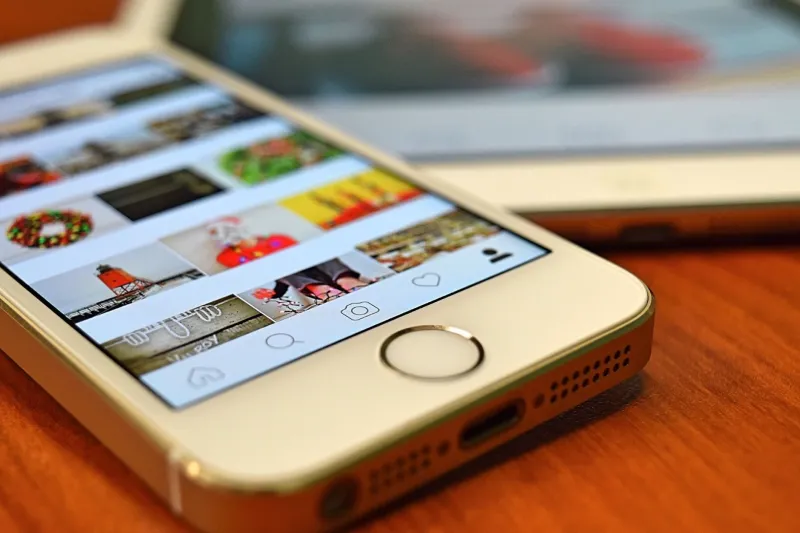
Something weird is happening on Instagram, and no, it's not another filter that makes you look like a Renaissance painting. Celebrities — actual, verified, blue-check-having celebrities — are going through their own feeds like Marie Kondo on a deadline, nuking thirst traps, scrubbing carefully lit mirror selfies, and torching years of meticulously curated aesthetic content into the digital void. And the rest of us? We are glued to it.
Welcome to The Great Unfollow Era, where the hottest thing a celebrity can do is make their Instagram look like they just joined the platform yesterday.
The Feed Cleanse Is Real, And It's Spreading
It started quietly. A pop star here, a Marvel actor there — suddenly their grids went from lush, color-coordinated content museums to a sparse three posts and a bio that just says their name. No explanation. No farewell tour. Just... gone.
The pattern picked up serious momentum over the past couple of years. Adele famously wiped her Instagram before a major comeback. Bella Hadid has done the digital disappearing act more than once. Selena Gomez has publicly wrestled with her relationship to social media so many times it's practically its own narrative arc in her career. Even accounts that built entire brands on the parasocial intimacy of "authentic" posting have quietly started trimming the fat — or burning the whole farm down.
Social media strategist Dana Holloway, who works with entertainment clients in Los Angeles, says the trend makes a lot of sense from a professional standpoint. "There's a real shift happening where talent and their teams are recognizing that the old model — post constantly, stay visible, perform accessibility — is actually creating liability," she explains. "Old posts are receipts. Cleaning the slate isn't just aesthetic, it's strategic risk management."
In other words: that 2018 thirst trap isn't just embarrassing. It's a potential headline.
Mental Health Awakening or Calculated Rebrand? Yes.
Here's where it gets complicated, because the honest answer is: it's probably both, and that's okay.
The conversation around celebrity mental health and social media has genuinely evolved. We've watched enough public meltdowns, enough tearful Instagram Lives, enough "I need to step back for my wellbeing" statements to understand that being famous and extremely online is, scientifically speaking, a lot. The pressure to maintain a perfect digital persona while also being an actual human person with bad days and weird phases and opinions that haven't been media-trained is genuinely unsustainable.
But let's not be naive. For every celebrity who deletes their feed out of pure, unfiltered self-preservation, there's a publicist somewhere nodding approvingly because a clean slate also happens to be perfect timing before a new album drop, a movie press tour, or a brand partnership relaunch. The mental health narrative and the PR strategy aren't mutually exclusive — they just share a calendar.
"Authenticity has become its own performance," says Dr. Reema Patel, a media psychology researcher who studies how audiences process celebrity behavior online. "When a celebrity deletes their content, they're not opting out of the performance. They're performing a different kind of story — the story of someone who has outgrown the need to perform. And audiences eat it up."
She's not wrong. The discourse around a celebrity's feed deletion often generates more engagement than the original posts ever did. We screenshot the empty grids. We post TikToks speculating about what it means. We write articles about it. (Hi.)
Let's Talk About What This Says About Us, Though
Because here's the uncomfortable pivot: our obsession with celebrity deletions is a mirror, and the reflection is a little embarrassing.
We spent years demanding access. We wanted the behind-the-scenes, the no-makeup selfies, the relationship milestones, the birthday tributes, the casual grocery run stories. We built parasocial relationships so detailed and emotionally textured that when a celebrity we've never met goes through a breakup, it legitimately affects our mood. We know their dogs' names. We know their skincare routines. We have opinions about their friendship groups.
And then when they take it away? We feel betrayed.
That reaction — that specific sting of a celebrity wiping their feed — reveals exactly how deeply we've bought into the illusion of intimacy that social media sells. We didn't just follow them. We invested in them. We built a version of them in our heads using the content they chose to share, and when they reclaim that content, it feels like something was taken from us. Which is wild, when you say it out loud, because none of it was ever ours.
"Parasocial relationships are real relationships in the sense that they produce real emotions," Dr. Patel notes. "But they're fundamentally asymmetrical. The celebrity doesn't know you exist. So when they make a choice that disrupts your sense of connection — like deleting the posts you felt you 'knew' them through — that grief is real, even if the relationship wasn't reciprocal."
Heavy stuff for an Instagram purge, but here we are.
The New Power Move Is Absence
What's genuinely fascinating about this moment is that disappearing has become its own form of clout. In an attention economy where visibility is currency, deliberately making yourself less visible is a flex. It signals that you don't need the algorithm. You're not chasing engagement. You exist beyond the feed.
It's the digital equivalent of not Googling someone back.
And it works. The celebrities who have pulled back from social media — or nuked their grids entirely — often return to a wave of renewed interest that their old posting schedules couldn't generate. Scarcity creates demand. We want what we can't scroll through.
Strategist Dana Holloway puts it bluntly: "A celebrity who posts every day is wallpaper. A celebrity who goes quiet for three months and comes back with one photo? That's an event."
So What Do We Do With All This?
Maybe the move is to let celebrities have their digital resets without making it a whole thing. Let them delete the thirst traps. Let them reclaim the narrative. And while we're at it, maybe examine why our gut reaction to an empty Instagram grid feels like a small personal loss.
The Great Unfollow isn't really about celebrities getting healthier relationships with social media — though some of them genuinely are. It's a stress test for how deeply we've wired our sense of connection to content that was always, on some level, a product.
They're cleaning their feeds. Maybe we should clean up our expectations while we're at it.
Or at minimum, stop screenshotting the empty grid. You know who you are.